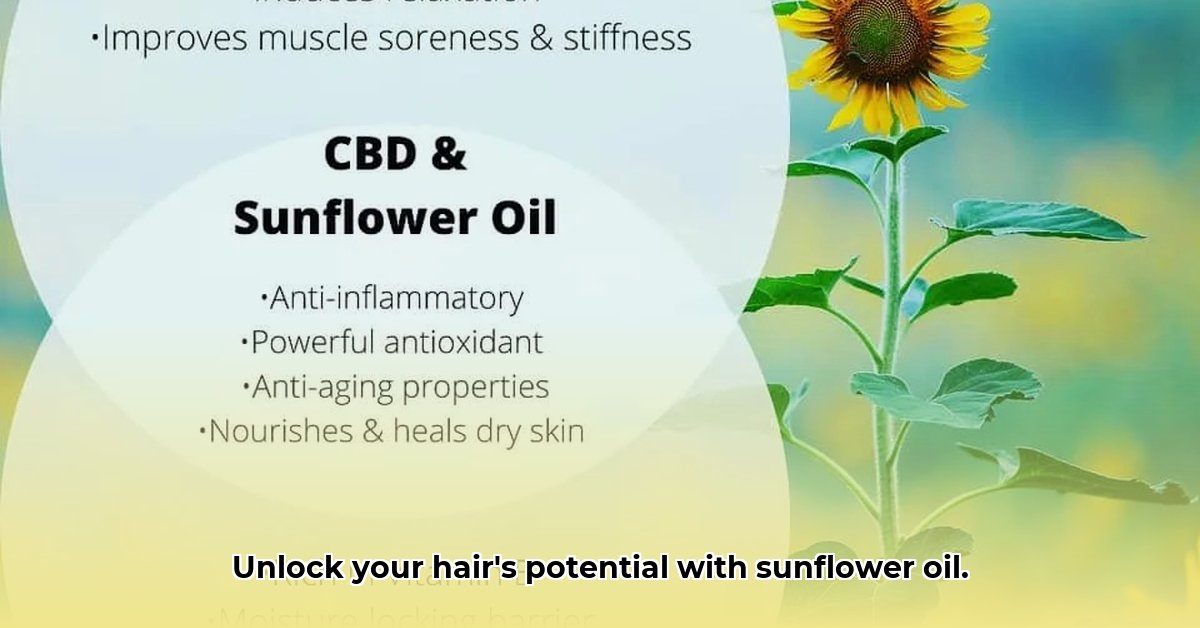
Benefits of Sunflower Oil for Hair
Sunflower oil, a kitchen staple, is also a powerful tool for healthy, radiant hair. Its rich nutrient profile offers a range of benefits, making it a natural and affordable addition to your hair care routine. But does it really live up to the hype? Let’s delve into the science behind its effectiveness.
Why Sunflower Oil is a Hair Hero
Sunflower oil's remarkable hair benefits stem from its unique composition. It's brimming with oleic and linoleic acids – fatty acids that deeply moisturize and condition each strand, leaving hair feeling softer and smoother. Think of these acids as tiny hydration heroes, smoothing the hair cuticle and reducing dryness.
Beyond hydration, sunflower oil is a rich source of Vitamin E, a potent antioxidant. Antioxidants combat free radicals – unstable molecules that damage hair due to sun exposure and pollution, ultimately leading to breakage and dullness. Vitamin E helps protect and preserve the health of your hair, promoting a vibrant shine.
Preliminary research suggests that sunflower oil might even support hair strengthening. It's thought to potentially boost keratin production, the primary protein responsible for strong, resilient hair. While further research is needed to confirm this benefit definitively, the early findings are encouraging.
Finally, sunflower oil's anti-inflammatory properties may provide relief from an itchy, irritated scalp. This soothing effect makes it a potential natural remedy for dandruff and other scalp conditions.
Unlocking the Power of Sunflower Oil: A Step-by-Step Guide
Ready to transform your hair with the power of sunflower oil? Follow this simple guide for optimal results.
Step 1: Selecting the Right Oil
Opt for cold-pressed sunflower oil, as this method retains more of the oil's beneficial nutrients than refined processing. You can typically find it at health food stores or online retailers.
Step 2: The Essential Patch Test
Before applying sunflower oil liberally, perform a patch test. Apply a small amount to your inner arm or behind your ear and wait 24 hours. This crucial step helps identify potential allergic reactions before widespread application.
Step 3: Three Effective Application Methods
There are several ways to incorporate sunflower oil into your hair care routine:
Direct Application: Warm approximately 1-2 tablespoons (depending on hair length) in your hands. Gently massage the oil onto your scalp and hair, working it through to the ends. Leave it in for at least 30 minutes, or even overnight for an intensive treatment. Rinse thoroughly with shampoo and conditioner.
DIY Hair Mask: Combine sunflower oil with other natural ingredients for a customized mask. Honey adds moisture and shine, while avocado provides deep conditioning properties. Experiment to find your perfect blend!
Conditioner Booster: Add a teaspoon of sunflower oil to your regular conditioner for an added moisturizing boost, resulting in softer, more manageable hair.
Step 4: Frequency of Application
Begin by using sunflower oil once or twice a week. Adjust the frequency based on your hair type and its response. Individuals with fine hair may find that less frequent use prevents their hair from feeling too heavy.
Step 5: Thorough Rinsing
Always rinse your hair thoroughly after any oil treatment to avoid a greasy residue. This ensures the best results and prevents your hair from looking oily.
Tips for Maximizing Benefits
To fully harness the power of sunflower oil, consider these additional tips:
Consistency is Key: Regular use yields the most significant improvements over time.
Listen to Your Hair: Observe your hair's reaction to the oil and adjust the frequency and amount accordingly.
Hair Type Considerations: Individuals with fine hair may need to use less oil than those with thicker or coarser hair.
Potential Drawbacks: Addressing Concerns
While generally safe, sunflower oil does have some potential drawbacks:
Greasy Hair: Overuse can lead to an oily appearance. Start with small amounts, gradually increasing if needed.
Allergic Reactions: Although uncommon, allergic reactions are possible, highlighting the importance of the patch test.
Sun Sensitivity: While more research is needed, some anecdotal evidence suggests that prolonged sun exposure after oil application might very slightly lighten hair color. This is not consistently observed and is likely dependent on numerous factors.
Is Sunflower Oil Right for You?
Sunflower oil offers a natural, affordable, and easy way to enhance hair health for many. Experiment with different application methods and frequencies to find what works best for your unique hair type. Embark on this journey to healthier, more radiant hair and enjoy the transformation!
FAQ: Addressing Common Questions about Sunflower Oil for Hair
Q: How long does it take to see results from using sunflower oil on my hair?
A: Results vary, but many individuals notice improvements in hair softness, shine, and manageability within a few weeks of regular use. Consistency is key.
Q: Can I use sunflower oil on color-treated hair?
A: Yes, you can. However, it's always a good idea to do a strand test first to ensure it doesn't affect your hair color.
Q: Can I use heated sunflower oil for hair treatments?
A: Gently warming the oil can enhance its absorption, but avoid overheating it, as this can compromise its beneficial properties.
Q: I have oily hair; is sunflower oil suitable for me?
A: Use it sparingly, starting with a small amount and focusing on the ends. Excessive use on already oily hair could exacerbate the problem. Experimentation is key.